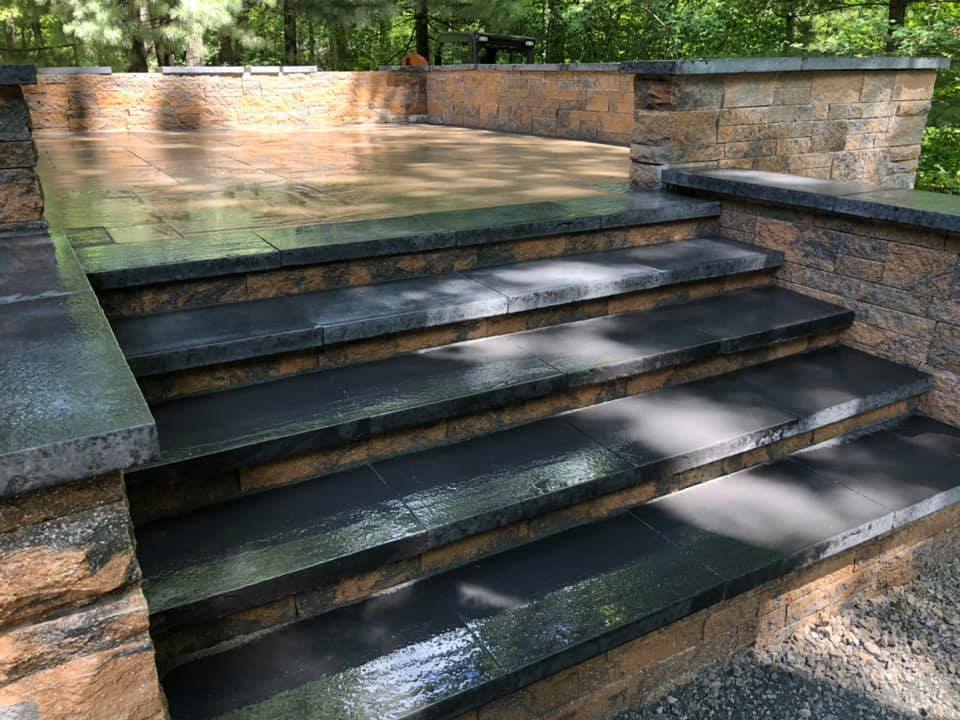
The base decides everything.
A paver patio is only as good as the work buried under it. We build for Michigan clay and freeze-thaw, so the surface you paid for stays flat and true.
The pavers are rarely the problem. The base is.
Southeast Michigan sits on dense, clay-heavy soil that holds water instead of shedding it. Water trapped under a patio freezes, expands, and lifts whatever is sitting on top of it.
That is where the wavy surfaces, the sunken spot by the back door, and the joints that have spread open all come from. Almost none of it is a defect in the paver. It comes from a thin base, fill that was never compacted in stages, or no plan for where water goes once it hits the surface.
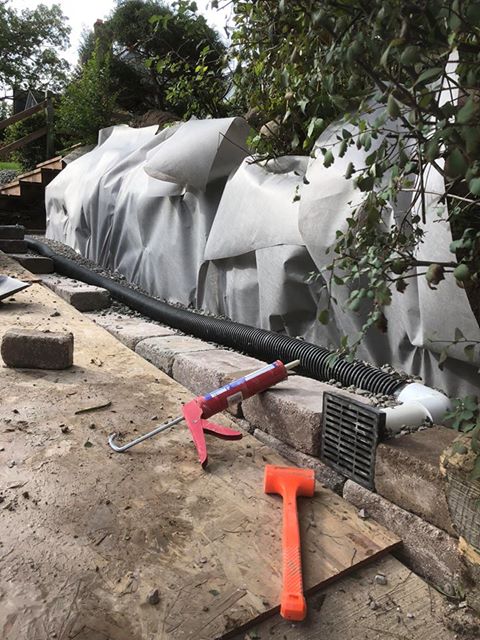
- Excavation to real depth so there is room for proper aggregate, not a token inch of sand over clay.
- Compacted crushed aggregate placed and plate-compacted in lifts, so there is nothing left to settle into.
- Pitch away from the house built into the base, so surface water leaves instead of pooling at the foundation.
- Edge restraint and locked joints so the field cannot creep outward and open up at the perimeter.
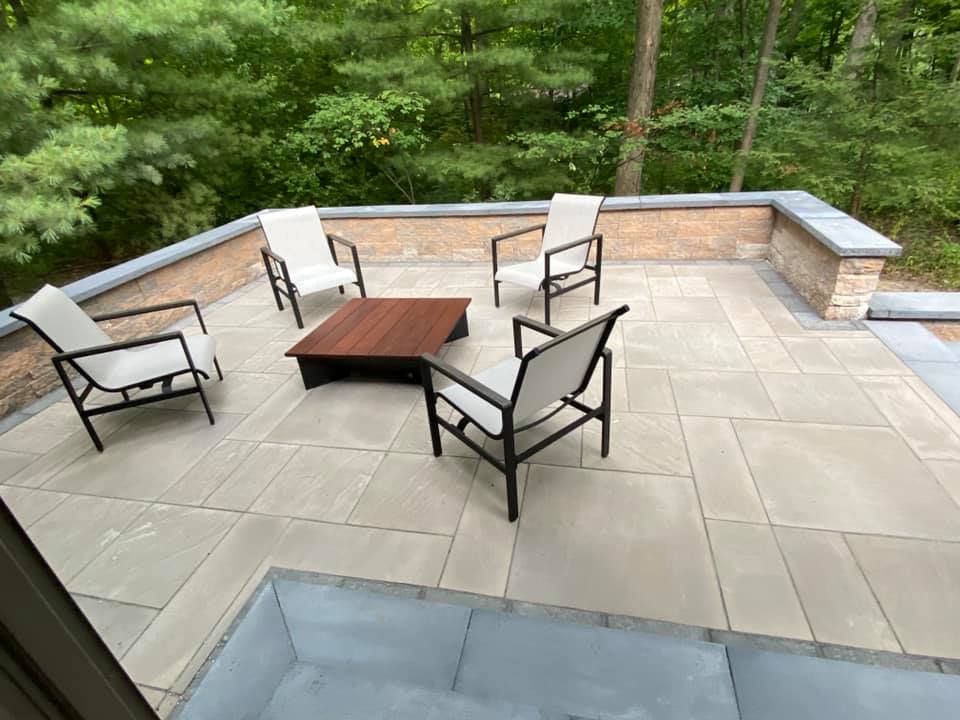
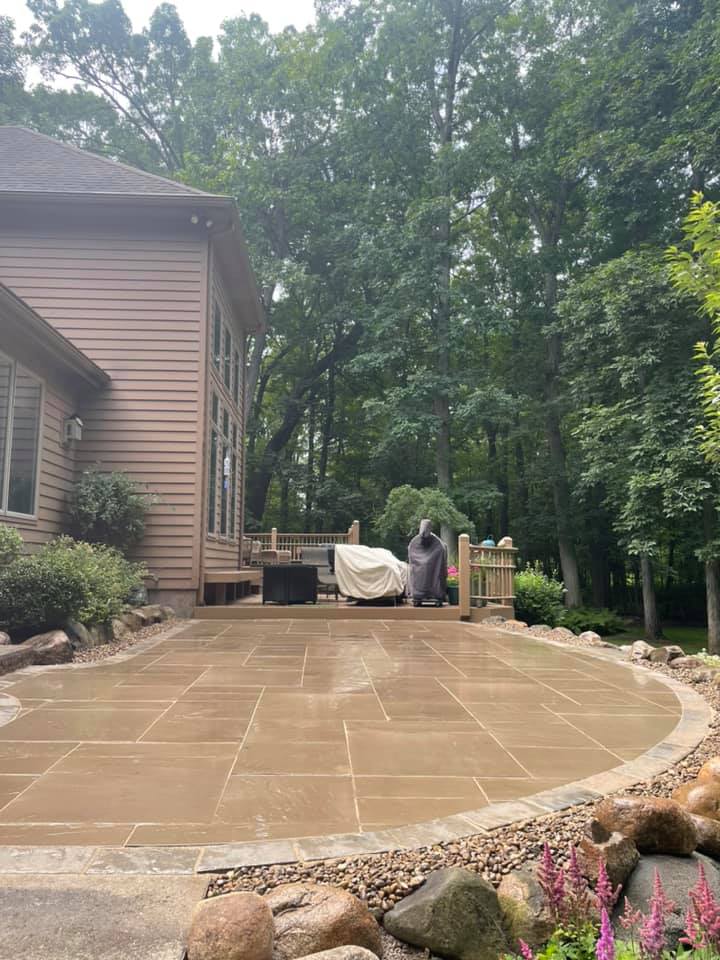
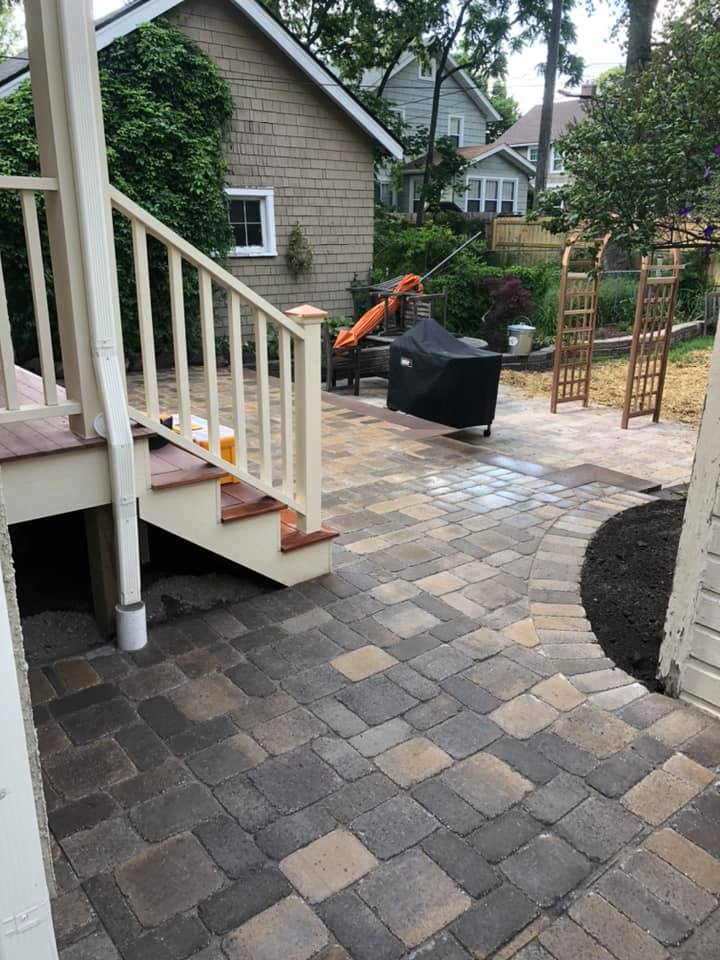
Patios, walkways, fire pits and the spaces between them
We install the full hardscape, so the patio, the walk to the driveway and the steps off the deck are designed together instead of bolted on one at a time.
Laid out around the furniture, grill and traffic paths you actually use, then drawn to scale before anything gets dug. Concrete paver or large format, in a color range that suits the house.
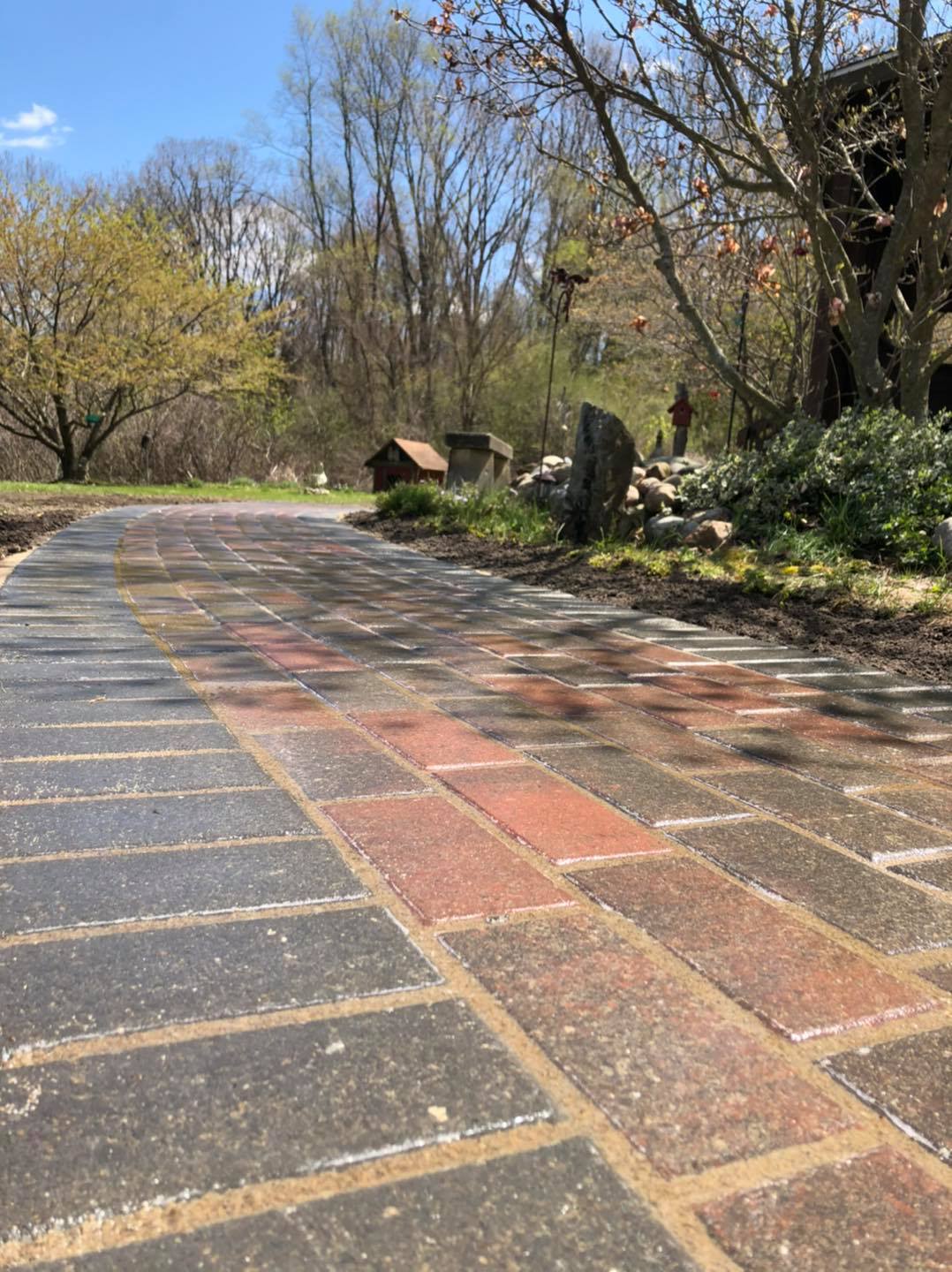
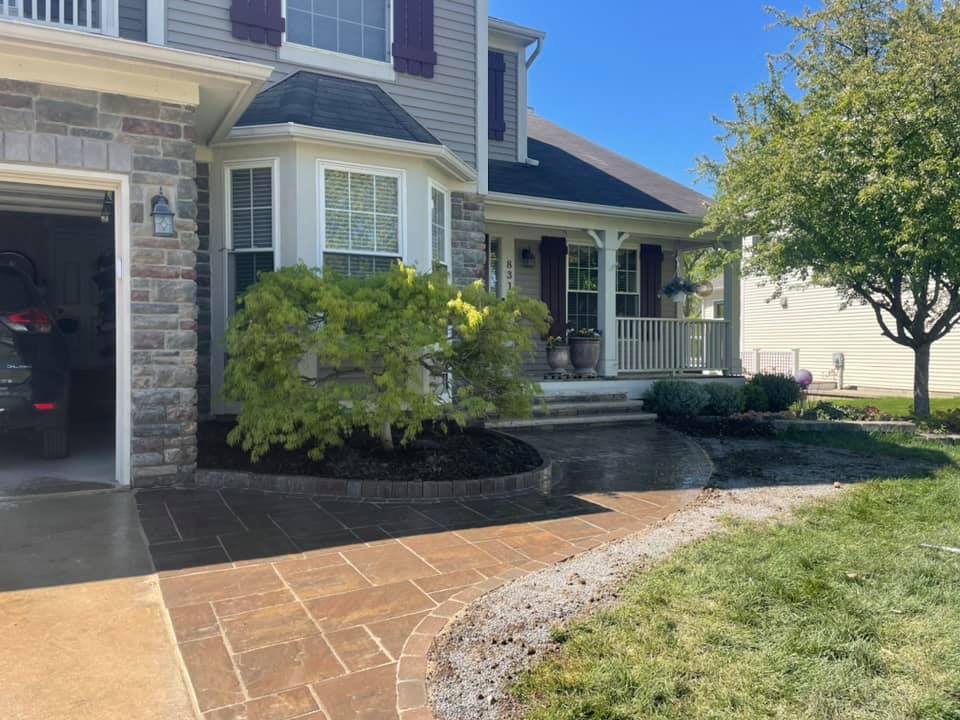
Front walks, side paths and steps that connect drive, door and yard. Same base work as a patio, because a walk that heaves is the first thing every visitor notices.
A built-in fire pit and a low seating wall are what keep people on the patio once the sun drops. Wood burning or plumbed for gas, with the seating built in rather than dragged out.
Full-size stone and flagstone for properties where the material should read as part of the landscape. Set on the same engineered base as a paver field, not dropped on soil.
What the job looks like from bare ground
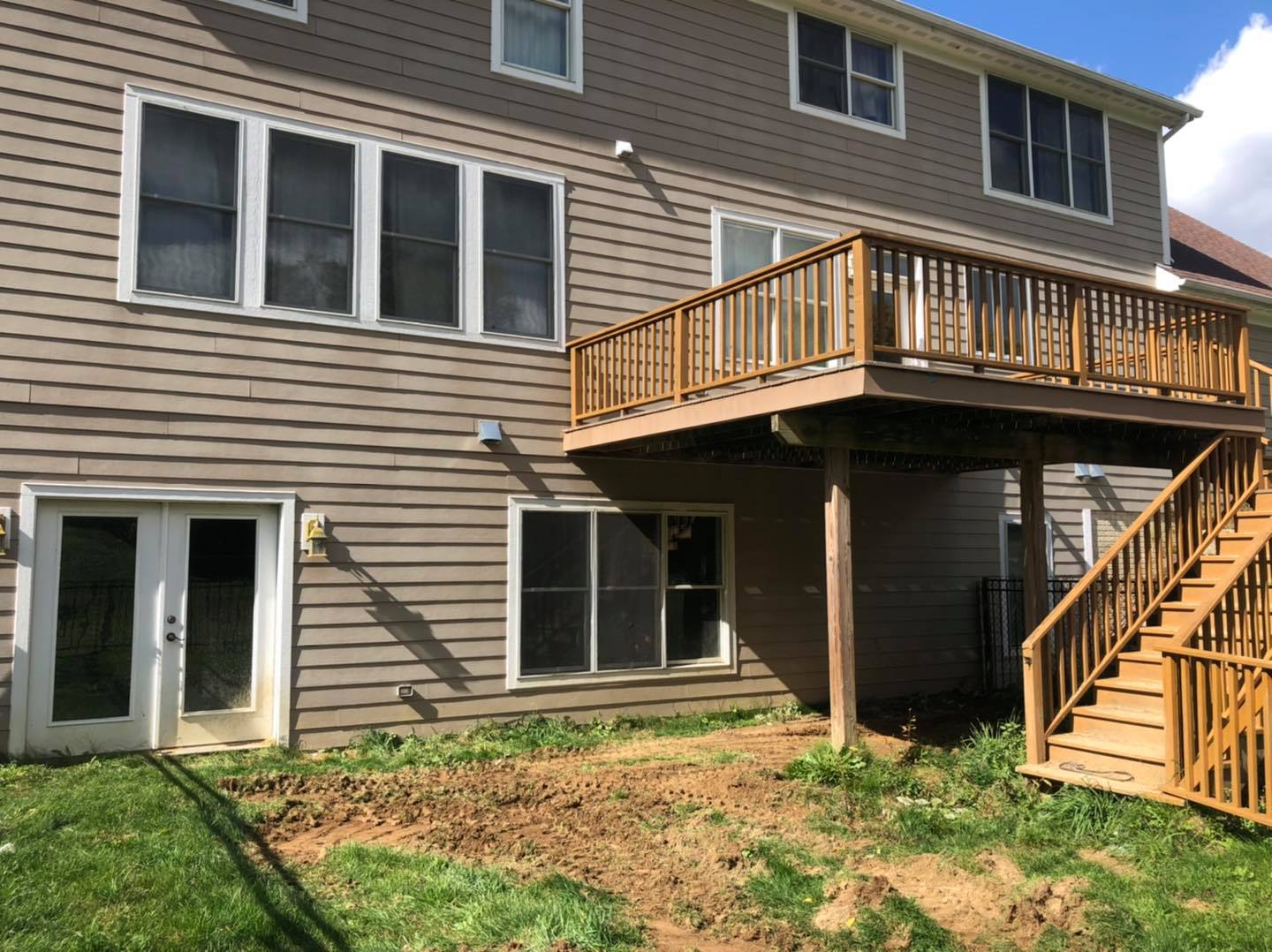
Most of the value in a patio is spent before a single paver is visible. Here is the sequence on our sites.
Four steps, no surprises
On-site assessment
We walk the property, check grade and soil, see where water runs after a storm, and talk through how you want to use the space.
Layout & written quote
Size, shape, material, border and drainage plan with a clear number attached. If access or removal adds cost, you see it before you commit.
Excavate, compact, set
Dig to depth, build and compact the aggregate base in lifts, screed the bedding layer, then set the field, cut the borders and lock the joints.
Cleanup & walkthrough
Site cleaned, sod or beds restored at the edges, and a walkthrough so you can see how the pitch and the edge restraint were handled.
What a paver patio costs in Michigan
Installed paver patios in Southeast Michigan typically run $15 to $35 per square foot, base work included. Here is roughly where the common projects land.
Standard concrete paver
Large format & cut patterns
Natural stone / flagstone
What drives the number: total square footage, how much cutting the shape requires, the paver or stone you choose, how much excavation and aggregate the soil calls for, whether machines can reach the back yard or everything moves by wheelbarrow, and whether an old concrete slab or failed patio has to come out first. Fire pits, seating walls, steps and lighting are priced separately so you can see what each piece costs. We publish these ranges so you can tell a real quote from one that got cheap by skipping the base.
Pavers vs. natural stone vs. poured concrete
| Option | Cost / sq ft | Freeze-thaw behavior | Best for |
|---|---|---|---|
| Concrete pavers | $15–30 | Individual units flex with the ground and can be lifted and reset | Most patios, walkways and entries in our climate |
| Natural stone / flagstone | $28–35+ | Flexes on a sand-set base, joints absorb small movement | Rural, wooded and lakefront properties where the look leads |
| Poured or stamped concrete | $12–22 | Moves as one slab, so ground movement shows up as cracks | Flat sites and tight budgets where a crack is acceptable |
The pattern repeats across this county: surfaces made of many small units ride out freeze-thaw better than one large slab, and when a paver does settle it can be pulled, re-based and reset without replacing the whole patio. That repairability is the main reason homeowners replacing cracked concrete usually rebuild in pavers.
Where we build
We are based on Maute Road in Grass Lake, so we build on the exact soil these communities sit on.
Talk to a real local builder
Tell us what you want the space to do. We will walk the property, explain what the site actually needs, and put a straight number in writing.
- (734) 478-1644
- info@bloomslandscapingllc.com
- 3998 Maute Rd, Grass Lake, MI 49240
Paver patio questions, answered
How much does a paver patio cost in Michigan?
Most installed paver patios in Southeast Michigan run $15 to $35 per square foot with the base work included. A straightforward concrete paver patio with good machine access lands around $15 to $22, large format units and cut patterns around $22 to $30, and natural stone or flagstone $28 to $35 and up. Fire pits, seating walls, steps and lighting are quoted separately. We give a firm written number after seeing the site.
Are pavers better than poured concrete in Michigan?
For most residential patios here, yes. A poured slab moves as one piece, so when clay soil swells and freezes the movement shows up as a crack across the surface. A paver field is made of hundreds of small units with joints between them, so it absorbs that movement, and any section that does settle can be lifted, re-based and reset. Concrete is usually cheaper up front, which is the honest trade-off.
How deep does a paver patio base need to be?
On our clay soils a patio generally needs several inches of compacted crushed aggregate under the bedding layer, and more where vehicles will drive on it. The number that matters more than depth is compaction: the aggregate has to go in and get compacted in lifts. A deep base dumped in one pass and rolled once at the end will still settle.
Why is my paver patio sinking or uneven?
Almost always water and base. Either the base was too thin or never properly compacted, the patio was not pitched to shed water, or a downspout is discharging right onto it and washing out the bedding. We can assess whether the field can be lifted and re-based in the affected area or whether the whole patio needs rebuilding.
Do I need a permit for a paver patio?
Ground-level patios usually do not require a permit in our local municipalities, though raised patios, structures and anything near an easement or septic field can. We check with the township during the estimate rather than after the excavator shows up.
Can you build a patio on a slope?
Yes, and it is common work here. A sloped yard usually gets a low retaining or seating wall to hold one level area, or two smaller terraces connected by steps. That approach also gives us somewhere to route water, which a flat cut into a hillside does not. See our retaining wall installation page for how those are built.
What is polymeric sand and do I need it?
It is a joint sand with a binder that sets after it is watered in, locking the pavers to each other. It keeps the field tight, slows weed growth in the joints, and resists washing out in heavy rain. We use it as standard on patios and walks rather than treating it as an upgrade.
Do you remove an old patio or slab first?
Yes. Cracked concrete, failed pavers and old brick all come out, and we correct the base and drainage that caused the failure before anything new goes down. Removal and haul-away is a line item on the quote so you can see exactly what it adds.
Get the patio you actually use
Book a free on-site estimate. We will walk the yard with you, lay out what fits, and give you a straight answer on what it takes and what it costs.