Cleared before the day starts.
Seasonal contracts and per-push service for residential drives and commercial lots. A written trigger depth, a set route order, and salt when the surface needs it.
The problem here is not the big storm. It is the thaw.
Southeast Michigan does not get one long freeze. It swings. A stretch of days above freezing, meltwater running across a drive, then a hard overnight freeze.
That cycle is what puts a sheet of clear ice across a driveway apron and the low corner of a parking lot, usually overnight and usually where water was already collecting. It is far more dangerous than the snow itself, because you cannot see it and neither can anyone walking on it.
So plowing is only half the job. Pushing snow to a spot where it melts and runs straight back across the surface creates the hazard you were paying to remove. Where the pile goes is a decision, not an accident.
- A written trigger depth so nobody argues about whether it was two inches or three.
- Piles placed downhill and away from walks, so meltwater does not cross the drive.
- Salt when the surface needs it not on a fixed schedule that ignores the forecast.
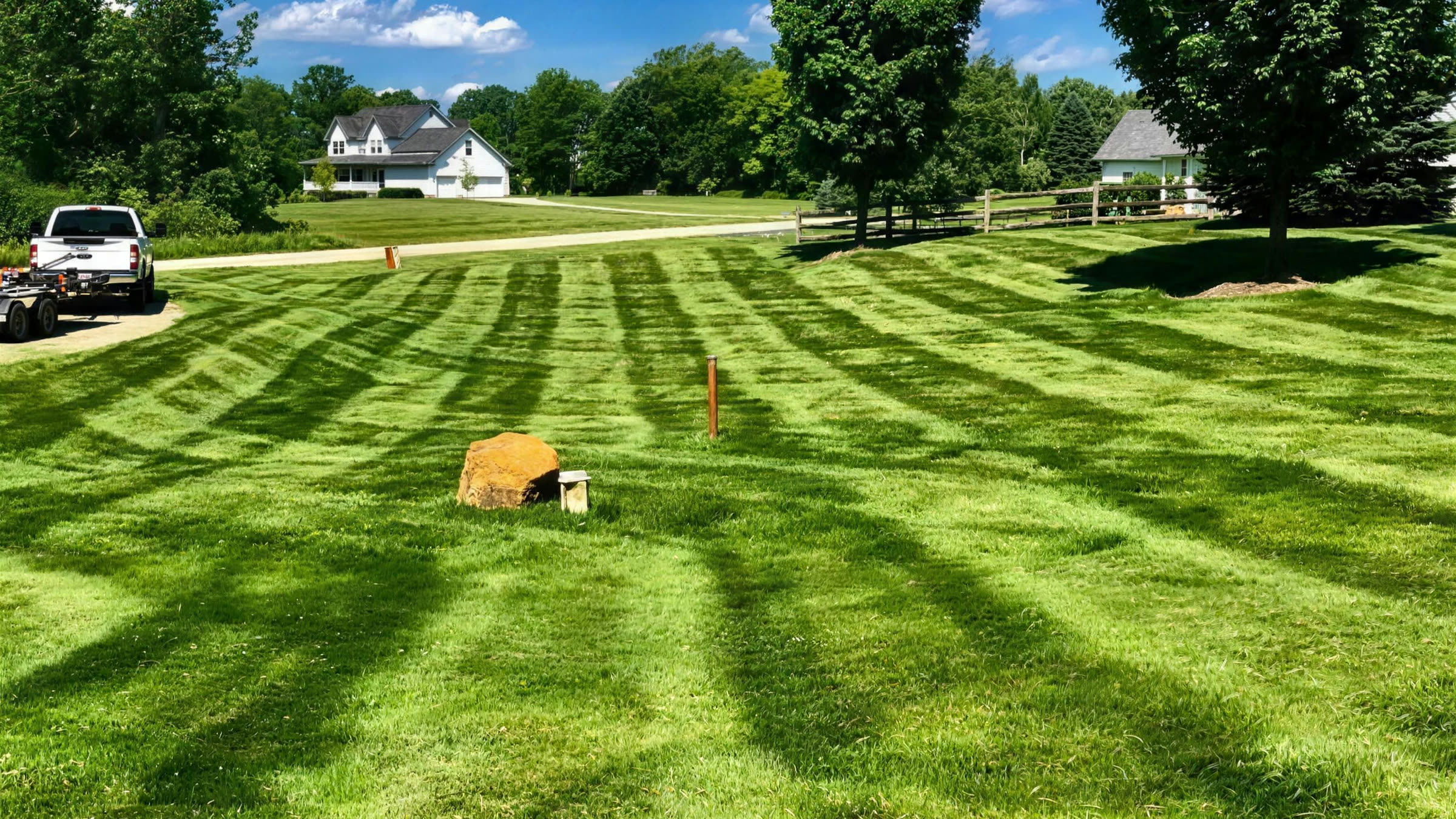
- Drives staked in fall so edges, beds and sprinkler heads survive the season.

Drives, lots and the walks between them
Residential and commercial properties across the county, on a route order set before the season starts.
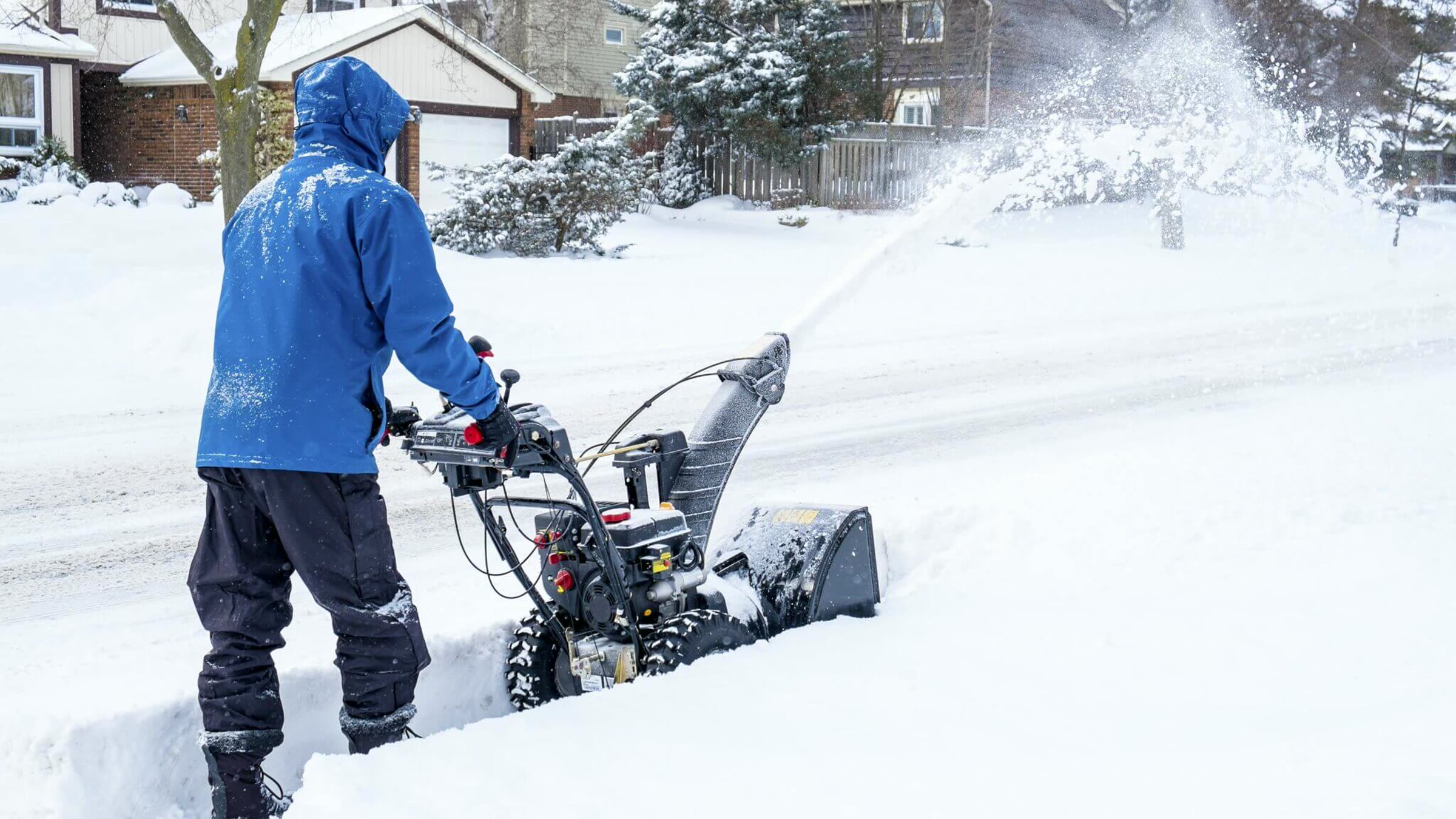
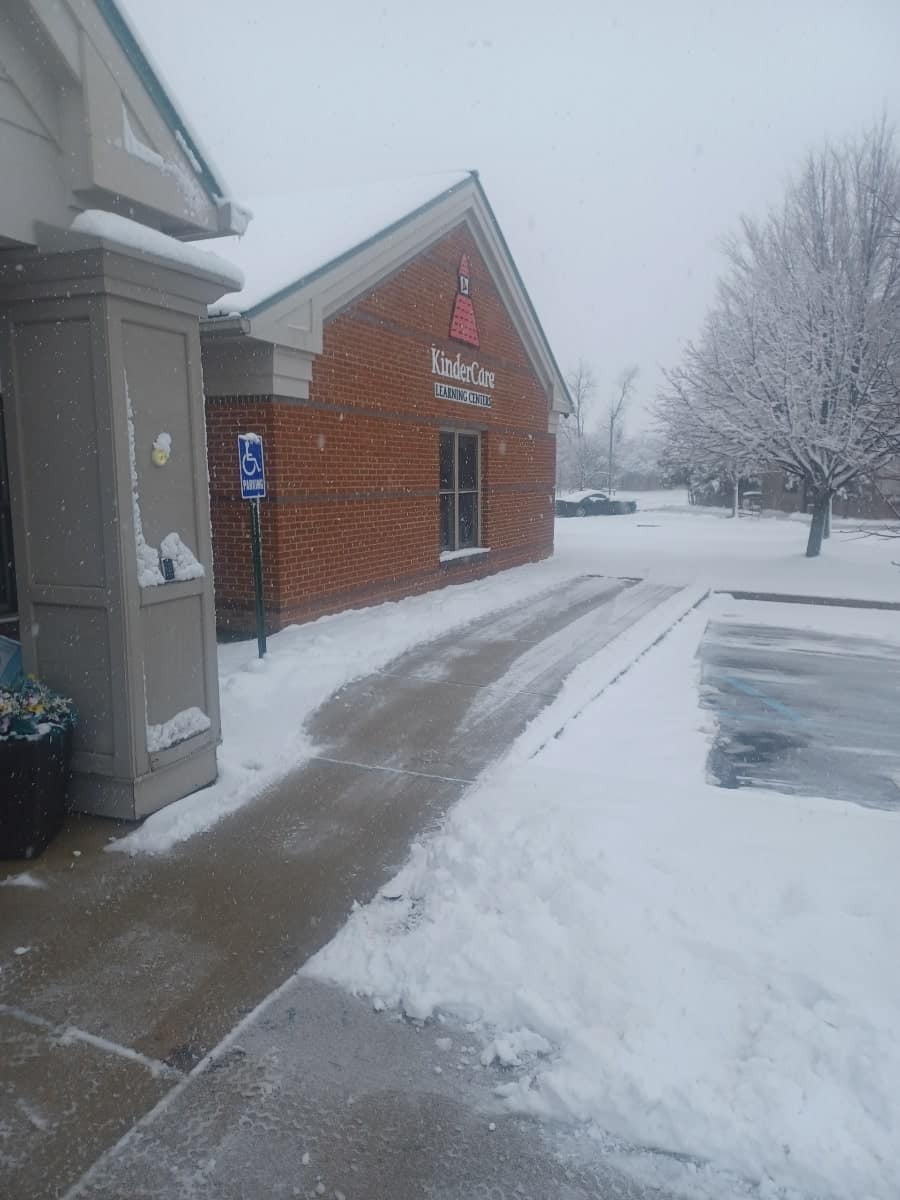
Plowed to the pavement, apron cleared back so the county plow does not wall you in, and the walk to your door opened up.
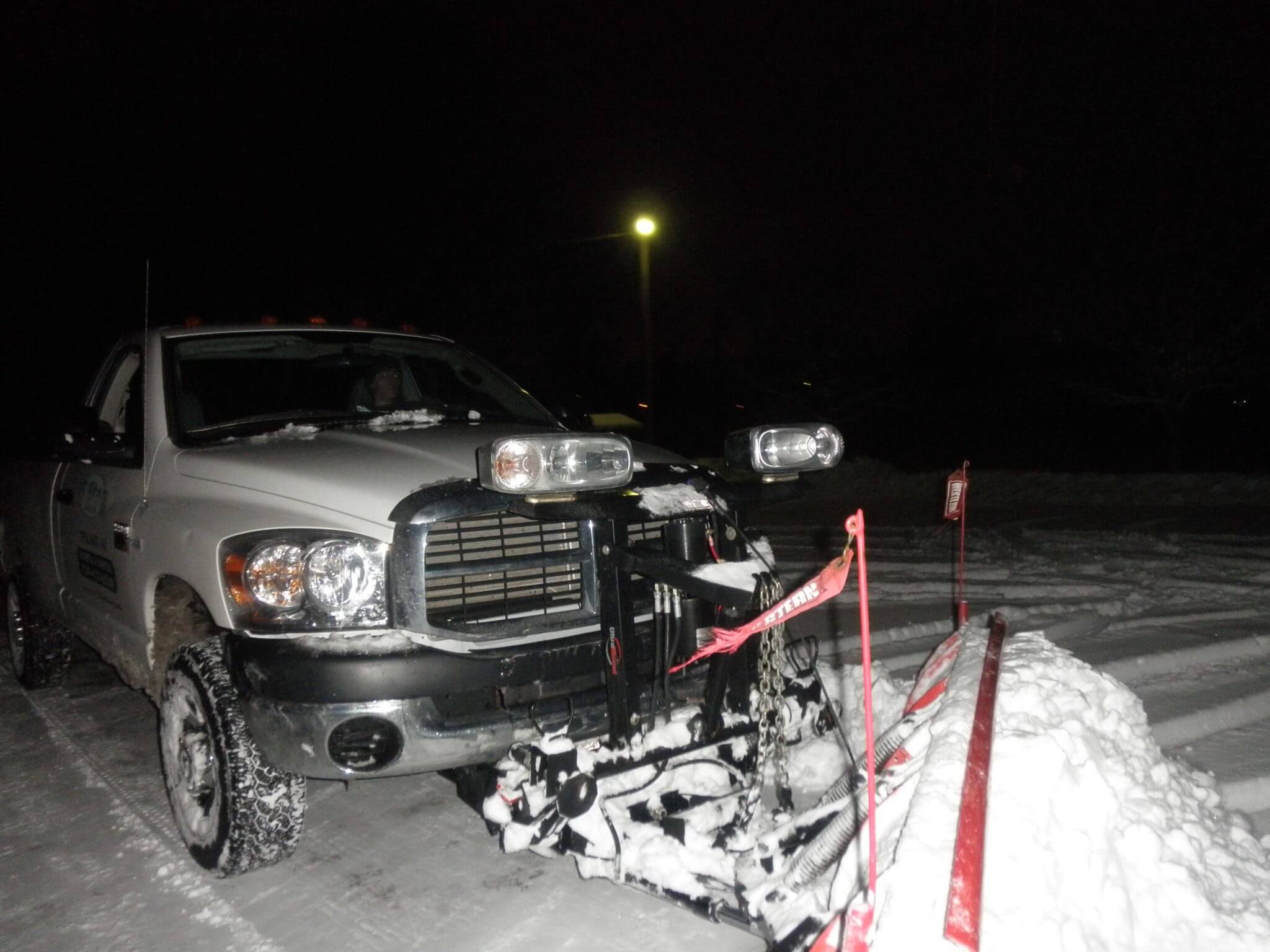
Cleared and salted before opening. Piles placed where they will not eat parking spaces or drain back across the traffic lane.

Most commercial work happens between midnight and open. You arrive to a finished lot rather than a crew working around your customers.
Applied to the surfaces that actually ice up. Priced per application so you are not paying for salt that was not needed.
Four steps, no surprises
We walk it before winter
In fall, while we can still see the pavement. We mark edges, note where water runs and agree on where the piles go.
You pick seasonal or per-push
A flat seasonal rate for budget certainty, or per-push if you would rather pay for the winter you actually get.
We clear on the trigger
At the agreed depth, in the agreed route order. Commercial properties are finished before they open.
Ice gets handled
Salt where the surface needs it, especially through a thaw-refreeze stretch when the drive looks clear and is not.
What snow removal costs in Southeast Michigan
Residential driveway plowing generally runs $45 to $85 per push, with seasonal contracts commonly landing between $350 and $650 for a standard drive.
Per push
Seasonal residential
Commercial lots
What moves the number: drive length and width, how many turns and obstacles a truck has to work around, where the snow can legally be piled, whether walks are included, and salt frequency. A seasonal rate costs more in a mild winter and less in a hard one. That is the trade you are making, and we will tell you which way we would go on your property.
Seasonal contract vs. per push
| Option | Typical cost | Best for | The trade-off |
|---|---|---|---|
| Seasonal contract | $350–650 residential | Budgeting a fixed winter cost, commercial properties with liability exposure | You pay the same in a light winter as a heavy one |
| Per push | $45–85 per visit | Properties that can wait, second homes, lighter-use drives | A heavy winter costs more, and priority goes to contracts first |
| Salt only | Per application | Lots that stay clear but glaze over during a thaw | Does nothing for accumulation, so it is an add-on rather than a plan |
Commercial properties almost always want a seasonal contract, because the exposure from one icy morning is larger than the difference between the two pricing models.
Snow removal questions, answered
How much does snow plowing cost in Michigan?
Residential driveway plowing typically runs $45 to $85 per push. Seasonal contracts for a standard drive commonly land between $350 and $650 for the winter. Commercial lots are quoted on size, trigger depth and how much salt the property needs.
At what depth do you come out?
Two inches is the standard trigger and it goes on the agreement in writing. Some commercial properties want a one inch trigger because of foot traffic. We set that before the season rather than deciding it during a storm.
Is salting included?
It is priced separately, per application. We would rather charge for salt when the surface needs it than build a fixed amount into the rate and apply it on days it does nothing.
Seasonal or per push, which is better?
Seasonal if you want a fixed number you can budget, or if you have a commercial property where an icy morning is a real liability. Per push if you can wait out a storm and would rather pay for the winter you actually get. Contracts get cleared first.
Will plowing damage my driveway or lawn?
That is what the fall walkthrough is for. We stake the edges before the first snow so the crew can see where pavement ends in the dark, which is when most turf and sprinkler damage happens.
Do you clear walkways too?
Yes, and we quote them as part of the property rather than as a surprise. For commercial sites the walks are usually the higher-risk surface, so they get cleared and treated alongside the lot.
Where we work
We run winter routes out of Grass Lake across Washtenaw County, so commercial properties are finished before they open.
Lock in before the first snow
Winter routes fill up. Tell us the property and we will walk it, set a trigger depth and put a seasonal or per-push number in writing.
- (734) 478-1644
- info@bloomslandscapingllc.com
- 3998 Maute Rd, Grass Lake, MI 49240
Get on the winter route
Routes are set before the season starts. Book a walkthrough now and we will mark the property, agree the trigger depth and give you a written number.