Landscaping in Ann Arbor, built for this ground.
Design and planting for Ann Arbor’s shade, slopes and clay. Most of this city is under an oak and maple canopy, which changes what will actually grow.
It is almost always the soil, not the plant.
Dig a hole in clay, drop in a nursery plant with its light potting mix, and backfill around it, and you have built a bucket that fills with water and does not drain.
Ann Arbor is hilly and heavily wooded. The west side rolls, the older neighborhoods sit under a mature oak and maple canopy, and most of the city is on the same dense clay as the rest of the county.
That canopy is the thing that shapes the work here. It means deep shade on north-facing yards where turf struggles, it means a genuinely large leaf load every fall, and it means root competition close to the surface that makes bed work more delicate than it looks.
The plant drowns slowly over two seasons and everyone blames the plant. The fix is unglamorous: break the sides of the hole, amend a wide area rather than a narrow one, set the crown slightly high, and choose species that tolerate wet feet where the ground stays wet.
- Beds amended wide, not just the planting hole, so roots can leave the clay.
- Crowns set slightly high so water moves away from the stem instead of pooling.
- Species matched to the spot wet, dry, deep shade or full afternoon sun.
- Edges cut and defined so beds hold their shape without plastic edging.
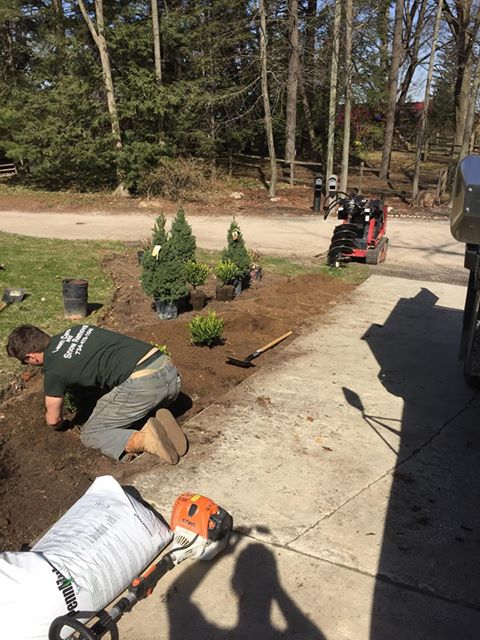
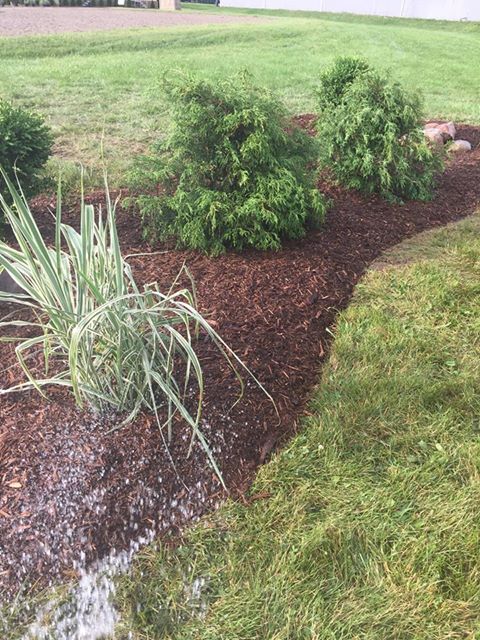
Planting under an Ann Arbor canopy
Under a mature oak the top six inches of soil is a mat of feeder roots. You cannot till it, and cutting through it to install a bed damages the tree you were trying to plant around. Beds under established canopy get built up rather than dug down.
Dry shade is the condition almost nobody plans for. A big maple takes an enormous amount of water out of the ground, so the bed under it is shaded and dry at the same time, which rules out most of the classic shade perennials people ask for.
What does work: hellebore, epimedium, wild ginger, Pennsylvania sedge, hosta in the moister spots, and native woodland understory that evolved for exactly this.
- Beds amended wide, not just the planting hole, so roots can leave the clay.
- Crowns set slightly high so water moves away from the stem instead of pooling.
- Local knowledge, we work Ann Arbor every week, not once a season.
- Straight answers, including when the honest answer is do not spend the money.
Landscaping across Ann Arbor
Ann Arbor properties are usually shade problems before they are design problems. Under a mature canopy, half the plant list at the garden center is simply not an option.
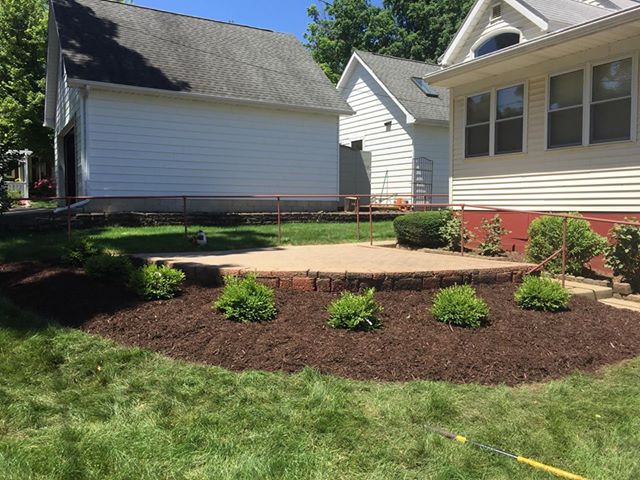
The beds that set the front of the house. Layered for year-round structure so it does not go flat in November.
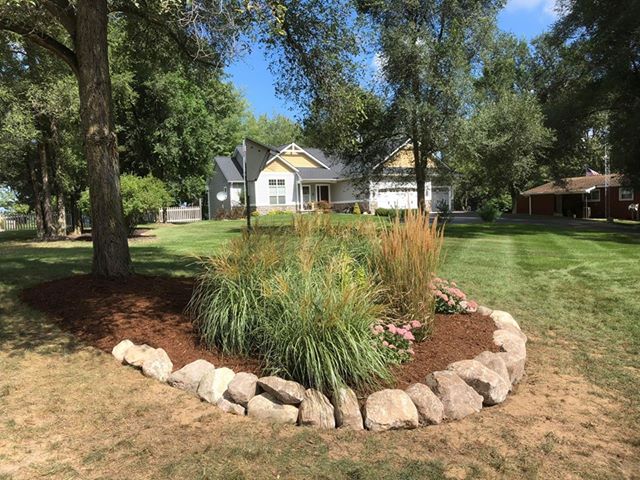
Freestanding beds with boulder or cut edging, grasses and perennials that hold their shape through winter.
Planted at the right depth, staked only when genuinely needed, mulched back off the trunk.
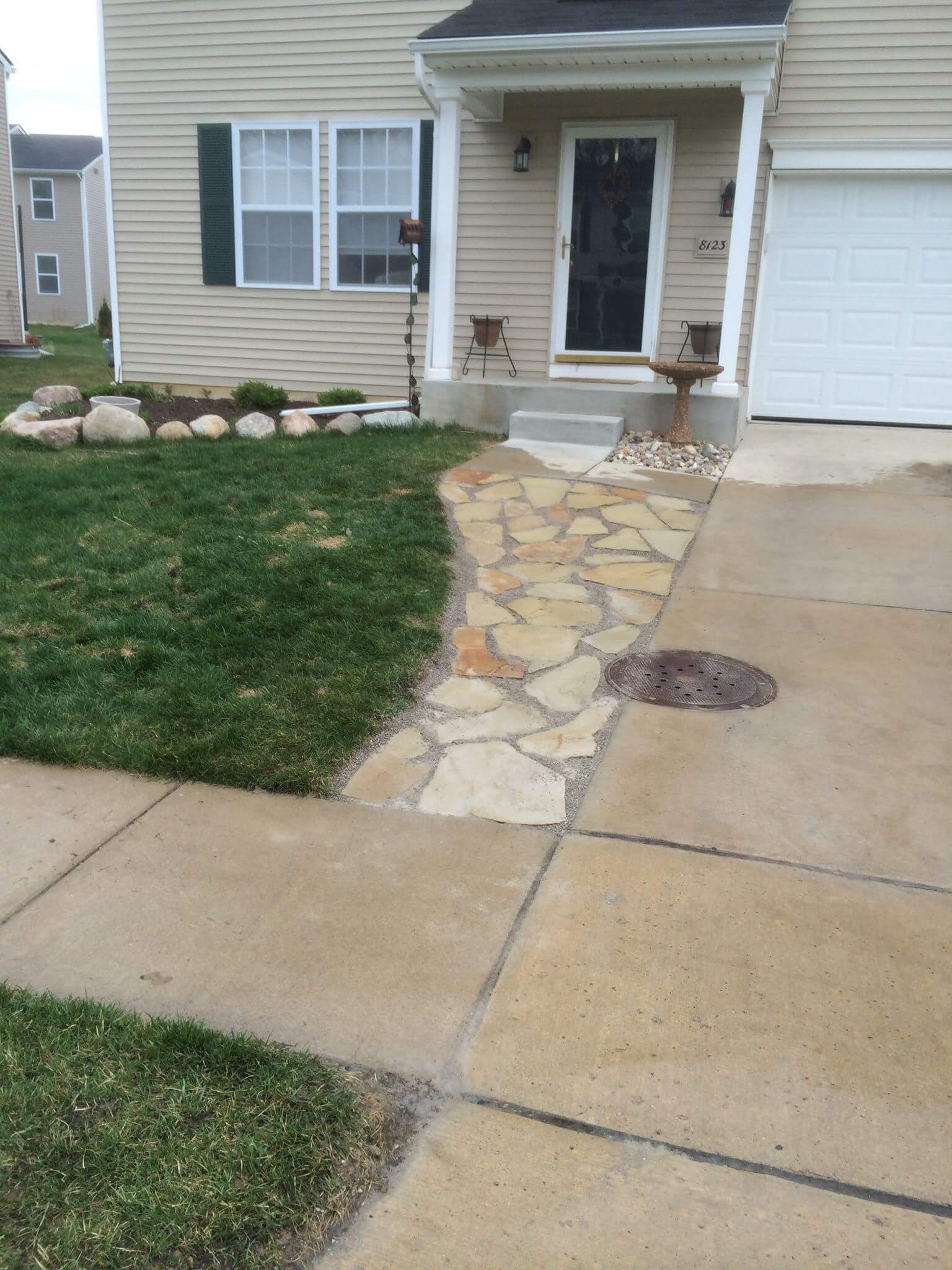
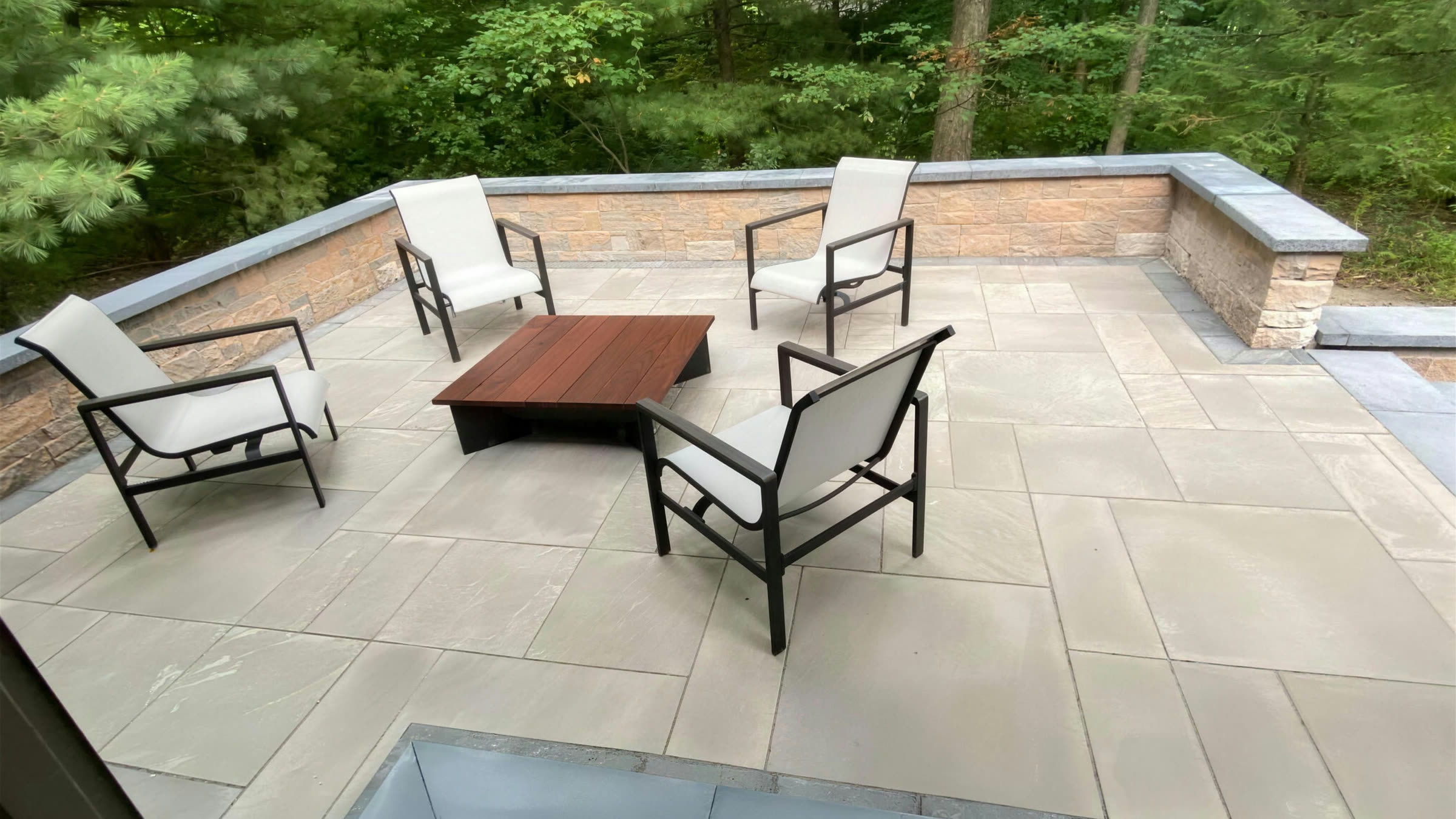
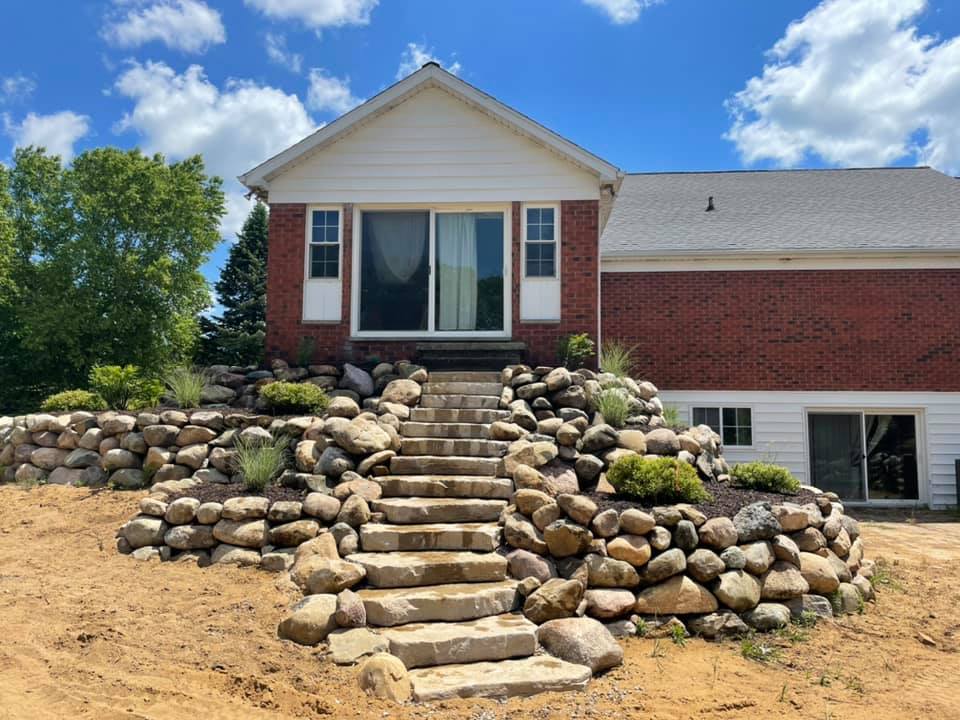
Flagstone and paver paths that connect the space and give the planting something to sit against.
What the work looks like around Ann Arbor
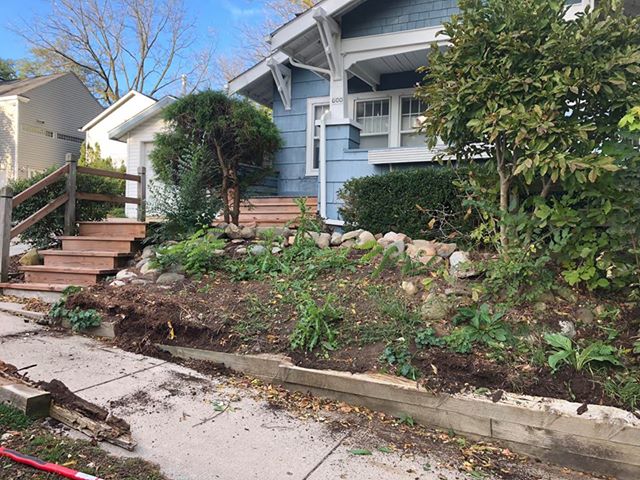
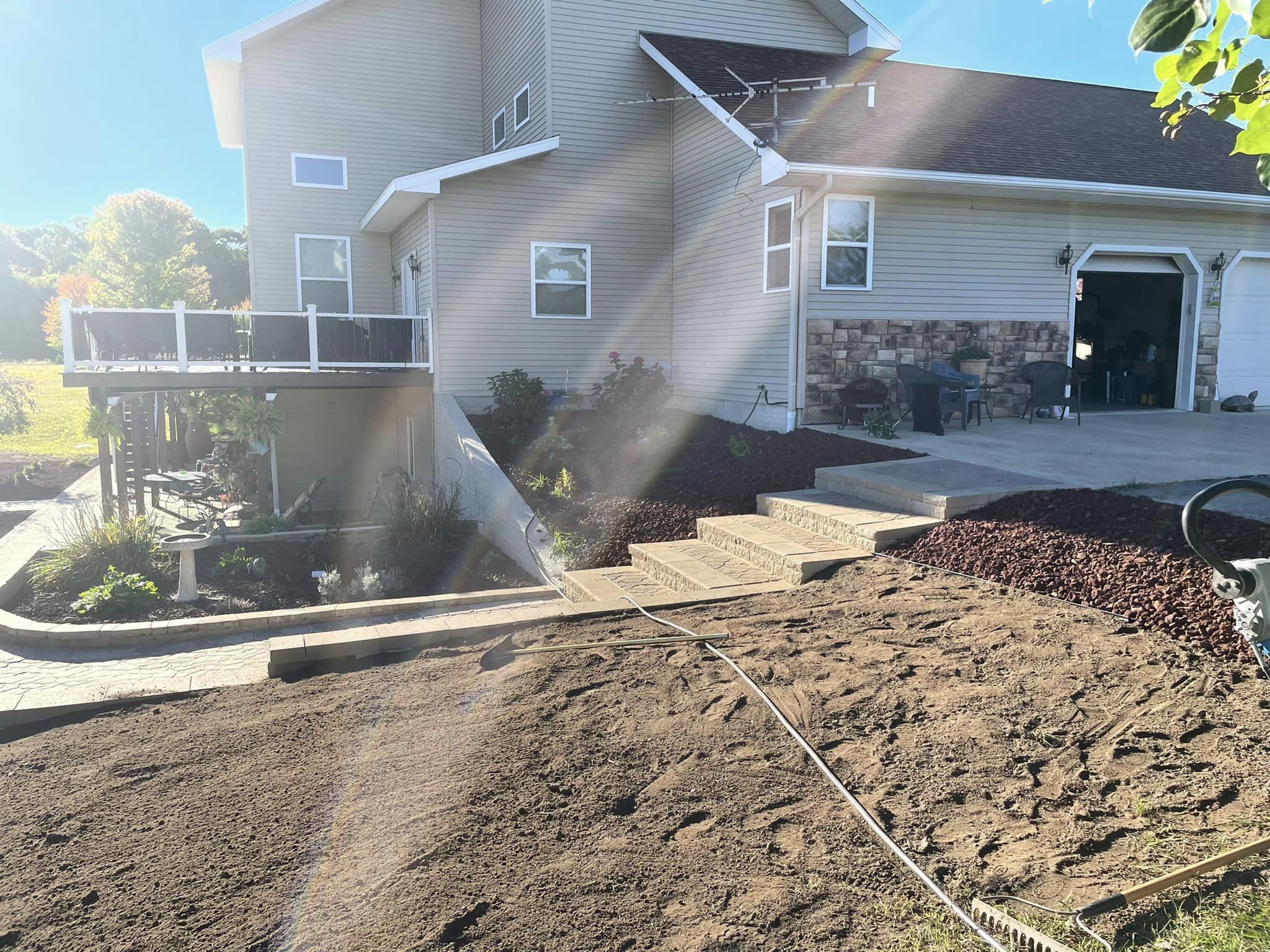
Landscaping on properties with the same clay with a heavy tree canopy over it.
Four steps, no surprises
We walk the property
Where water sits, where the sun actually lands, what the soil is, and what you want the space to do.
Design & written quote
A plant plan with real species names and a firm number, before anything goes in the ground.
Soil first, then plants
Beds shaped, amended and graded, then planting, then mulch. Skipping the first part is why plantings fail.
Walkthrough & care notes
What is planted, what it does in three years, and what each thing needs in its first season.
What landscaping costs in Ann Arbor
Most residential projects around Ann Arbor run $2,500 to $12,000 depending on scope. A single front bed is far less.
Bed renovation
Front of house
Full property
What moves the number: plant sizes, how much soil work and grading the site needs, whether stone or hardscape is in the plan, and equipment access. Larger stock looks finished immediately and costs more. Smaller stock catches up in about three seasons. Access drives cost here more than anywhere else in the county. On the Old West Side and around Burns Park, a lot of back yards are only reachable through a side gate, so material moves by wheelbarrow instead of machine.
Where we work
We work Burns Park, Water Hill, the Old West Side, Ann Arbor Hills and the newer subdivisions out toward Scio Township, out of our yard on Maute Road in Grass Lake.
Talk to someone who works in Ann Arbor
Tell us the address. We will walk the property, explain what the ground is doing and put a straight number in writing.
- (734) 478-1644
- info@bloomslandscapingllc.com
- 3998 Maute Rd, Grass Lake, MI 49240
Landscaping in Ann Arbor, answered
Can I grow grass under the big trees in my Ann Arbor yard?
Usually not well, and it is worth stopping the fight. Under a dense oak or maple canopy there is not enough light, and the tree wins the competition for water. A shade-tolerant groundcover bed or a mulched woodland planting looks better year round and costs less to maintain than reseeding the same bare patch every spring.
Do I need city approval to plant in Ann Arbor?
For work on your own property, generally no. Anything in the right-of-way strip between the sidewalk and the street is a different matter, and street trees are city-managed. We check that line before quoting rather than after.
How much does landscaping cost in Ann Arbor?
Most residential projects run $2,500 to $12,000. A single bed renovation is usually $1,200 to $3,500. Redoing the front of a house typically lands between $2,500 and $7,000. We quote firm numbers after seeing the property.
What plants do well in Ann Arbor?
More than people expect, provided the bed drains. Serviceberry, ninebark, dogwood, switchgrass, little bluestem, coneflower and black-eyed susan all handle our clay well, with hosta and fern for the shaded areas. The species list matters less than whether the bed was built properly.
When is the best time to plant?
Spring and early fall are both good. Fall is often better for trees and shrubs because roots keep growing after the top goes dormant, giving the plant a head start before summer.
Do you do the design as well as the install?
Yes, and the same crew does both. The person who read the grade is the person who plants it, which is how a plan survives contact with the actual site.
Can you fix a bed that keeps dying?
Usually. Nine times out of ten it is water sitting in clay around the root balls, or mulch piled against the stems. Both are fixable without starting over.
Start with a walkthrough
Book a free on-site estimate in Ann Arbor. We will read the grade, the light and the soil, and tell you what will actually thrive there.